Best Chicken Coop Bedding: Pine Shavings vs Hemp vs Straw vs Sand
We earn from qualifying Amazon purchases. We haven't tested these products ourselves. We chose them from specs and what chickens need. How we make money.
Pick up a handful of old bedding on a wet March morning. If it’s cold and clumped and smells sharp, it has stopped doing its job. Good bedding stays loose and dry. It soaks up droppings and lets the floor breathe.
For most backyard coops the answer is simple. Use pine shavings. Hemp is the upgrade if you hate changing bedding. Straw and sand both work in the right coop. They just ask more of you.
In this guide
What bedding has to do
The Poultry Extension network lists what good litter should be. It should be safe for birds and soak up a lot of water. It should dry fast. It should keep cold from coming up through the floor. Cheap and easy to find helps too. So does being good for compost when you clean out.
Water is the big one. Six hens make a surprising amount of wet droppings. Damp litter grows mold and gives off ammonia. University of Illinois Extension warns that ammonia in humid air leads to breathing problems. So bedding and airflow work as a team. Our chicken coop ventilation guide covers the airflow half.
Pine shavings for most coops
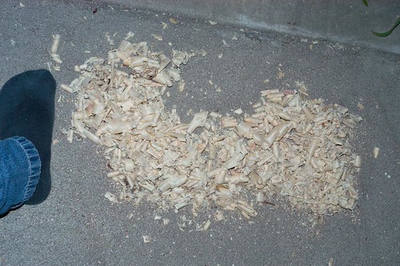
Extension specialists rank softwood shavings as the best all round litter. Pine is the usual choice. It soaks up moisture and dries quickly. It breaks down well in the compost heap.
Buy large flakes. Fine sawdust is a poor swap. Hens may eat it and it can carry the mold behind a lung infection called aspergillosis. Wear a dust mask when you spread or shovel any wood bedding. Your own lungs matter too.
Skip cedar. Its strong oils can bother a hen’s airways. Skip old pallets as well. Extension notes they can carry paint, fuel or pesticide.
How deep should it go? Illinois Extension suggests 6 to 12 inches of dry bedding in winter. That layer keeps feet warm and insulates the floor. A deep layer of shavings is also the start of the deep litter method. We walk through it in how to clean a chicken coop.
Our top picks
Paid links. We earn from qualifying Amazon purchases. We chose these from specs and owner feedback, not our own testing. Photos show the type of gear, not the exact product.
- Best small bag for nest boxes and top upsPETSPICK Pine Bedding, 24 LPlain pine shavings in a bag you can carry with one hand.Check price on Amazon →Details ↓Photo: gchpaco, CC BY-SA 2.0
- Best for keepers who want to avoid pine scentKaytee Aspen BeddingAspen is a hardwood with no strong smell.Check price on Amazon →Details ↓Photo: gchpaco, CC BY-SA 2.0
- Best for fewer bedding changesRentACoop Hemp Bedding, 30 lb bagChopped hemp that soaks up a lot of moisture.Check price on Amazon →Details ↓Photo: gchpaco, CC BY-SA 2.0
Photo: gchpaco, CC BY-SA 2.0PETSPICK Pine Bedding, 24 L
Plain pine shavings in a bag you can carry with one hand. It's handy for nest boxes and weekly top ups. For a whole coop a big bale from the feed store works out cheaper.
What to like
- Easy to carry and store
- Pine is what most keepers use
- Light fresh smell
Watch out for
- Small bag runs out fast in a big coop
Paid link. We may earn a commission.
Photo: gchpaco, CC BY-SA 2.0Kaytee Aspen Bedding
Aspen is a hardwood with no strong smell. It's soft and clumps less than you might expect. Some keepers use it in brooders and nest boxes.
What to like
- No aromatic oils
- Soft underfoot
- Low dust
Watch out for
- Sold in small pet bags
- Costs more per cubic foot than pine
Paid link. We may earn a commission.
Hemp for fewer changes
Hemp bedding is chopped from the stalk of the hemp plant. It’s very absorbent. Many keepers find a hemp floor goes longer between changes than pine. It is low in dust and makes rich compost.
The catch is cost. A bag of hemp costs more than a bale of pine. If you only clean out a few times a year it can still come out even.
Photo: gchpaco, CC BY-SA 2.0RentACoop Hemp Bedding, 30 lb bag
Chopped hemp that soaks up a lot of moisture. Many keepers find it lasts longer between changes than pine. It also composts nicely.
What to like
- Very absorbent
- Low dust
- Good for compost
Watch out for
- Costs more than a bale of pine
- Big bag to store
Paid link. We may earn a commission.
Straw only if it’s chopped
Straw looks like the natural farm choice. Long straw mats down fast though. Extension calls it hard to manage and prone to caking. A caked layer traps wet droppings right where hens stand.
If you love straw then buy chopped straw cut to an inch or less. Plan to change it more often than shavings. And don’t confuse straw with hay. Hay is leafy and holds water. It molds quickly on a coop floor.
A handful of straw in each nest box is still a nice touch. Our nesting boxes guide has more on those.
Sand needs a daily scoop
Most of the good news about sand comes from Auburn University work in big broiler houses. Birds on sand did as well as birds on shavings. Their feet were in better shape. The sand had less dust and fewer beetles. It caked less too.
A backyard coop is not a broiler house. Sand doesn’t soak anything up. Water drains through while droppings sit on top. So you scoop it like a cat tray with a long handled sifting scoop. Miss a few days and it starts to smell.
Choose coarse washed construction sand. Fine play sand is dustier. Sand is also heavy. Check a raised coop floor can take the weight before you fill it. It won’t compost either. Deep litter is off the table.
Side by side
| Pine shavings | Hemp | Chopped straw | Coarse sand | |
|---|---|---|---|---|
| Soaks up water | Well | Very well | Poorly | Drains instead |
| Cleaning | Top up or deep litter | Top up less often | Change often | Scoop often |
| Compost | Yes | Yes | Yes | No |
| Weight | Light | Light | Light | Very heavy |
Our pick
Start with pine shavings. They’re cheap and forgiving and you’ll find them at any feed store. Try hemp if you want fewer clean outs. Go with sand only in a walk in coop with a solid floor and a keeper who doesn’t mind a daily scoop.
One last trick from Illinois Extension. Toss a little scratch on the floor in the evening. Your hens dig for it and turn the bedding over for you. Check the waterer for drips each day too. One leaky drinker can soak a corner overnight.