How to Clean a Chicken Coop (Plus the Deep Litter Method)
We earn from qualifying Amazon purchases. We haven't tested these products ourselves. We chose them from specs and what chickens need. How we make money.
Open the coop on a warm morning after a few busy weeks and your nose tells you everything. That sharp sting is ammonia. It comes from droppings sitting in damp bedding. Your hens breathe it all night long.
Our top picks
Paid links. We earn from qualifying Amazon purchases. We chose these from specs and owner feedback, not our own testing. Photos show the type of gear, not the exact product.
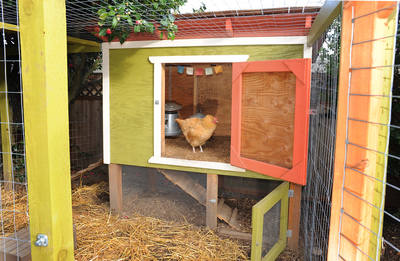 Best tool for the weekly cleanBully Tools Steel Scraper with Long HandleA flat 7 inch steel blade on a long handle.Check price on Amazon →Details ↓Photo: furtwangl, CC BY 2.0
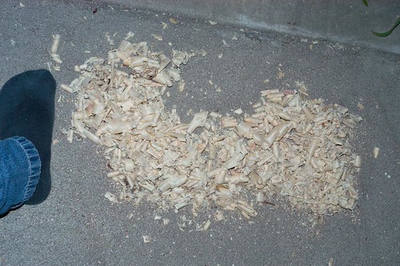 Best for fewer bedding changesRentACoop Hemp Bedding, 30 lb bagChopped hemp that soaks up a lot of moisture.Check price on Amazon →Details ↓Photo: gchpaco, CC BY-SA 2.0
- Best small bag for nest boxesPETSPICK Pine Bedding, 24 LPlain pine shavings in a small easy bag.Check price on Amazon →Details ↓Photo: gchpaco, CC BY-SA 2.0
The fix isn’t hard work. It’s a routine. Five minutes a day and half an hour a week keeps most coops fresh. A big clean twice a year takes care of the rest.
In this guide
What you’ll need
Nothing fancy. Most of this is already in your shed.
- A long handled steel scraper and a flat shovel
- A stiff brush or an old broom
- A wheelbarrow or a couple of big buckets
- Gloves and a dust mask
- A bucket of warm water with a little dish soap
- Fresh bedding such as pine shavings or hemp
Keep a pair of old boots just for the coop. The CDC recommends dedicated shoes for poultry chores that stay outside the house. Wash your hands with soap and water once you’re done. Do it every time.
Bully Tools Steel Scraper with Long Handle
A flat 7 inch steel blade on a long handle. It's sold as an ice scraper. It lifts dried droppings off a board or floor in a few strokes.
What to like
- Fast on droppings boards
- Reaches corners a shovel misses
- Long handle saves your back
Watch out for
- Heavy for small hands
- Too wide for tiny hutch coops
Paid link. We may earn a commission.
Every day: five minutes
Do this when you collect the eggs.
- Look and sniff. A sharp smell or wet patches mean something needs attention today.
- Scoop the worst of it. Hens drop most of their mess overnight under the roost. Lift out any clumps.
- Check the nest boxes. Pull out droppings or a broken egg. Dirty nests mean dirty eggs.
- Refresh the water. Tip out any water with bedding or droppings in it.
A droppings board under the roost makes this part quick. It’s a shelf that catches the overnight mess. You scrape it into a bucket each morning and the bedding below stays clean.
Every week: thirty minutes
Once a week give the coop a proper tidy.
- Scrape the droppings board clean.
- Rake out wet or caked bedding. Look hardest near the waterer and under the roost.
- Top up with fresh bedding. Aim for an even layer you can’t see the floor through.
- Swap out the nest box bedding.
- Scrub the waterer and the feeder with warm soapy water. Rinse well.
Do the scrubbing outside. The CDC advises cleaning poultry gear outdoors and never in a kitchen sink. Germs like Salmonella can travel on feeders and buckets.
Good bedding makes the weekly job easier. Extension specialists rate softwood shavings as the best all round litter. Pine is the usual favourite. Hemp is a popular step up. It soaks up a lot and breaks down well in compost.
Photo: gchpaco, CC BY-SA 2.0RentACoop Hemp Bedding, 30 lb bag
Chopped hemp that soaks up a lot of moisture. Many keepers find it lasts longer between changes than pine. It also composts nicely.
What to like
- Very absorbent
- Low dust
- Good for compost
Watch out for
- Costs more than a bale of pine
- Big bag to store
Paid link. We may earn a commission.
Photo: gchpaco, CC BY-SA 2.0PETSPICK Pine Bedding, 24 L
Plain pine shavings in a small easy bag. It's handy for topping up nest boxes each week. For a whole coop a bale from the feed store works out cheaper.
What to like
- Easy to carry and store
- Pine is what most keepers use
- Light fresh smell
Watch out for
- Small bag runs out fast in a big coop
Paid link. We may earn a commission.
Twice a year: the big clean
Pick a dry and sunny day in spring and again in autumn. You want the coop to dry fully before the hens go back in.
- Move the hens out. Shut them in the run with food and water.
- Empty everything. Take out all the bedding, the feeders and anything that lifts out.
- Scrape and sweep. Get the stuck droppings off the floor, walls and roost bars. Wear your mask. Coop dust is fine and gets everywhere.
- Scrub. Warm soapy water and a stiff brush do most of the work. Pay attention to the cracks and the ends of the roost bars. Mites like to hide there.
- Rinse and dry. Open every door and vent. Let the sun and air do their job. Don’t add bedding until the wood is bone dry.
- Check for damage. Look for loose wire, gaps and rotten boards while the coop is empty.
- Put it back together. Add fresh bedding and fresh nest material.
If you use a disinfectant follow the label exactly. Rinse it off and let the coop dry before the birds return.
The deep litter method
Deep litter works the other way round. You don’t clean out every week. You let the bedding build up and break down in place like a slow compost heap.
Here’s how most keepers do it:
- Start with a good layer of pine shavings. Around 4 inches is a common starting depth.
- Each week stir the litter with a rake or let the hens scratch it over. Toss a little scratch grain in to get them digging.
- Add a fresh layer of shavings on top whenever it starts to look dirty.
- Clean it all out once or twice a year. By then the bottom layer is rich compost for the garden.
Deep litter only works if it stays fairly dry. It suits a roomy coop with good airflow and a solid floor. It’s a poor fit for a small cramped coop. Deep litter that gets wet goes wrong fast.
So do the sniff test. Earthy smell? It’s working. Sharp ammonia smell? Rake out the wet patches. Add dry shavings and check your ventilation.
Where the old bedding goes
Used bedding and droppings make great compost. Pile it up away from the coop and let it rot down for several months. Fresh chicken manure is too strong to put straight on plants. Once it’s well composted it’s some of the best garden food you can get.
Quick answers
How often should I clean a chicken coop? Spot clean daily. Change soiled bedding weekly. Do a full clean in spring and autumn. With deep litter you skip the weekly change and clean out once or twice a year.
What bedding should I avoid? Avoid cedar shavings and long hay. Hay holds moisture and can go mouldy. Glossy paper doesn’t absorb at all.
Should I wash the eggs? The CDC says not to wash warm fresh eggs in cold water. Brush off dirt gently with a dry brush or cloth. Then refrigerate them.