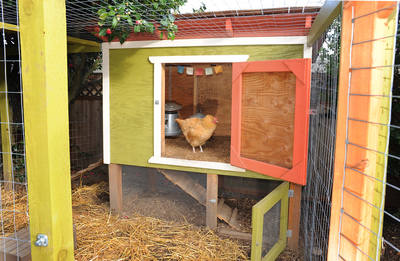
Build or Buy a Chicken Coop? An Honest Look at Both
We earn from qualifying Amazon purchases. We haven't tested these products ourselves. We chose them from specs and what chickens need. How we make money.
The chicks are peeping in a box in the garage. They’ll need a real home in about six weeks. Every new keeper hits this moment and asks the same thing. Do I grab a saw or do I order a kit?
Our top picks
Paid links. We earn from qualifying Amazon purchases. We chose these from specs and owner feedback, not our own testing. Photos show the type of gear, not the exact product.
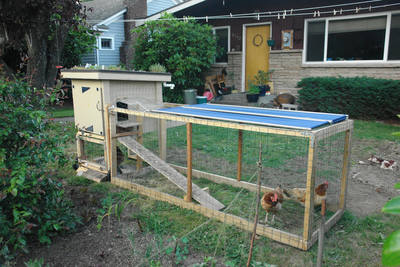 Best for 2 or 3 hens on a small budgetPawHut 80 inch Wooden Chicken Coop with RunOne of the most common starter kits around.Check price on Amazon →Details ↓Photo: Josh Larios, CC BY-SA 2.0
 Best for walk in room without buildingAivituvin Walk-in Chicken Coop for 8 ChickensYou can stand inside to clean and collect eggs.Check price on Amazon →Details ↓Photo: USDA, CC0
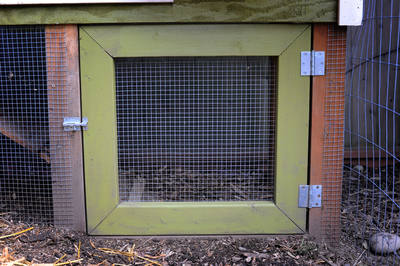 Best first upgrade for any kitLand Guard 19 Gauge Hardware Cloth with Half Inch MeshGalvanized welded mesh with half inch holes.Check price on Amazon →Details ↓Photo: furtwangl, CC BY 2.0
Both roads can end with happy hens. Both can also end with a damp coop that a raccoon opens on night three. The difference is mostly in the details. So let’s go through them.
In this guide
The short answer
Buy a kit if you have 2 to 4 hens and not much free time. Build your own if you want 6 or more hens. Build if you already own a drill and a saw and like a project. A big walk in coop is where building pays off most.
What a kit gets you
A flat pack kit shows up in a box. The pieces are cut and the holes are drilled. Two people can put most small kits together in an afternoon. You need a screwdriver and a bit of patience.
The catch is the number on the box. Kits love to say “for 4 to 6 chickens”. Many of them fit 3 big hens at most. Utah State University Extension suggests at least 1.5 to 2 square feet of floor for each adult hen inside the house. That is a bare minimum. Your hens will be happier with more room on long winter days. So measure the floor yourself and do the sum before you trust the label. Our guide on how much space chickens need has the numbers by breed.
Small kits also use thin wood and light mesh. The wood can warp after a wet winter. The mesh keeps hens in. It won’t keep a raccoon out. Plan to add half inch hardware cloth on day one.
Photo: Josh Larios, CC BY-SA 2.0PawHut 80 inch Wooden Chicken Coop with Run
One of the most common starter kits around. It has a nest box and a run underneath. The pull out tray makes the weekly clean quick. Treat it as a small coop and you'll be fine.
What to like
- Goes together in an afternoon
- Pull out tray for cleaning
- Fits a small yard
Watch out for
- Thin wood panels
- Run mesh needs a hardware cloth upgrade
- Too tight for 4 big hens
Paid link. We may earn a commission.
What building your own gets you
You choose the size. You choose the wood. You put the doors where your back will thank you. A coop you can stand up in turns cleaning into a five minute job. A low hutch turns it into a crawl.
You also get to do the things most kits skip. Utah State gives some handy numbers here.
- Roost bars of 2 by 2 inch wood with the top edges rounded off.
- About 14 inches between roost bars and 6 to 10 inches of bar for each hen.
- Nest boxes about 12 inches deep that sit at least 18 inches off the floor.
- Vents high up under the roof on two sides.
- Hardware cloth on every opening from the start.
The cost is time. A first build often takes a few weekends. Plans help a lot. A book of coop building plans saves you from working out roof angles at midnight. Louisiana State University AgCenter also shares free plans for an 8 by 12 foot family laying house. You can find them through the Poultry Extension housing page in the sources below.
For tools you’ll want a cordless drill and a circular saw. Add a tape measure and a level. A friend for the roof panels helps too.
The money question
Lumber prices swing a lot by region and season. A number we put here would be wrong by spring. What we can tell you is where the money goes.
On a small coop the materials list is short. Building one rarely saves much over a decent kit. On a walk in coop it’s a different story. A store bought walk in coop costs a lot. Building one yourself often comes in well under that. Hardware cloth, roofing and doors are the parts that add up fastest. Price your list at a local lumber yard first. Then compare it with a kit of the same real floor size.
Both sides have costs people forget.
- Kits: extra hardware cloth, a better latch and maybe a new roof panel after a few years.
- Building: screws, paint, saw blades and three more trips to the store for the thing you forgot.
Who should buy
- You have 2 to 4 hens.
- You need a coop this month.
- You rent or may move soon. A kit comes apart and goes with you.
- You don’t own tools and don’t want to start.
If you want a walk in coop but have no wish to build one, a big kit is the shortcut. It costs more than a small kit. You get the stand up room without the weekends.
Aivituvin Walk-in Chicken Coop for 8 Chickens
You can stand inside to clean and collect eggs. It is sized for about 8 birds. A PVC floor liner comes in the box.
What to like
- Room to stand while you clean
- Floor liner included
- Space to add more roosts and nests
Watch out for
- Big flat pack takes a day to build
- Add hardware cloth low down
Paid link. We may earn a commission.
Who should build
- You want 6 or more hens.
- You want to walk in to clean.
- Your winters are wet or bring heavy snow. A stout frame and real roofing pay off there.
- You enjoy the project. That counts for a lot.
The middle path most people take
Lots of keepers end up here. They buy a solid kit and then fix its weak spots.
- Swap the run wire for half inch hardware cloth.
- Add a spring loaded latch that a raccoon can’t flip.
- Set the coop on pavers so the floor stays dry.
- Add a second roost bar if the kit only has one.
That gets you a coop fast. It also gets you one that lasts. Our predator proofing guide covers the upgrades in more detail.
Land Guard 19 Gauge Hardware Cloth with Half Inch Mesh
Galvanized welded mesh with half inch holes. A raccoon can't pull it apart the way it can with chicken wire. Use it on the run walls and every vent.
What to like
- Much stronger than chicken wire
- Holes too small for paws and rats
- Works on any coop or run
Watch out for
- Slow to cut and fit
- Sharp cut edges so wear gloves
Paid link. We may earn a commission.
A quick way to decide
Stand in your yard and picture the coop in year three. If it holds four hens and sits in a quiet corner, a kit will do. If you see eight hens and you walking in with a scraper, start sketching. Either way you will want hardware cloth.