Chicken Coop Ventilation: How Much Air Your Hens Need
We earn from qualifying Amazon purchases. We haven't tested these products ourselves. We chose them from specs and what chickens need. How we make money.
Open your coop door on a cold January morning and take a breath. If the air stings your nose and the inside of the window is wet, your hens slept in that all night. That sharp smell is ammonia from the droppings. The wet glass is their breath. Both are signs the coop needs more air.
Our top picks
Paid links. We earn from qualifying Amazon purchases. We chose these from specs and owner feedback, not our own testing. Photos show the type of gear, not the exact product.
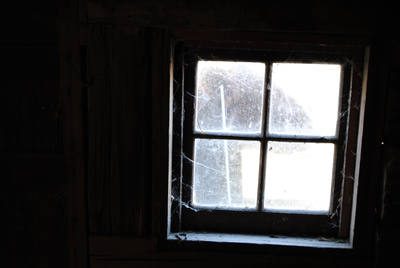
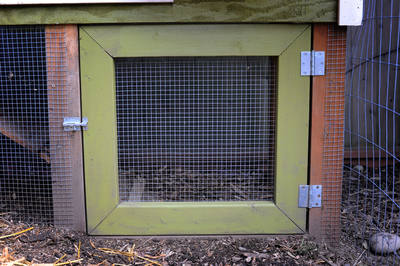 Best for covering vents and windowsLand Guard 19 Gauge Hardware Cloth with Half Inch MeshGalvanized welded mesh that lets air through and keeps raccoons and rats out.Check price on Amazon →Details ↓Photo: furtwangl, CC BY 2.0
 Best for a hot coop with no powerMARBERO Solar Powered Fan Kit for Coops and ShedsA solar panel runs the fan so you don't need to run a cable to the coop.Check price on Amazon →Details ↓Photo: Shadowmeld Photography, CC BY-SA 4.0
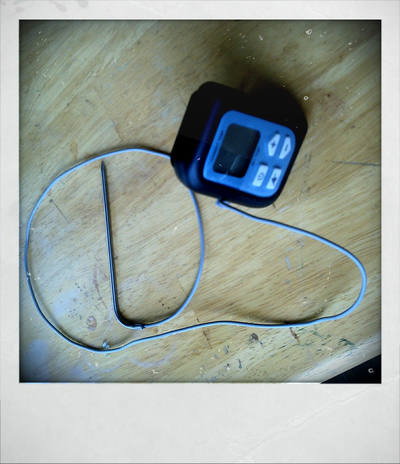 Best simple way to check coop humidityGovee Bluetooth Thermometer Hygrometer H5075A small sensor with a screen.Check price on Amazon →Details ↓Photo: Wheeler Cowperthwaite, CC BY 2.0
New keepers tend to do the opposite. It’s cold. So they close every gap. It feels kind. It usually makes things worse.
In this guide
Why chickens need so much air
A coop full of hens makes a lot of moisture. It comes from their breath and their droppings. The bedding gives off ammonia as the droppings break down. Damp air with no way out settles on the walls and in the litter.
Utah State University Extension explains why this matters most in winter. Warm air holds more water than cold air. Its water holding capacity doubles for every 18°F rise in temperature. So cold air that comes in through a vent warms up inside. It picks up moisture as it warms. Then it needs a way out up high to carry that moisture away.
Damp air causes real trouble. University of Illinois Extension warns that humid air full of ammonia leads to breathing problems in the flock. Damp combs also freeze more easily. A dry coop at 10°F is safer for a hen than a wet one at 25°F.
How much vent space to aim for
A rule of thumb many keepers use is 1 square foot of open vent for every 10 square feet of floor. Hot climates need more. Some southern coops have whole walls of mesh.
Here is a quick example. A 4 by 6 foot coop has 24 square feet of floor. That means about 2.4 square feet of vent. Two openings of 12 by 15 inches each get you there.
That sounds like a lot. Most small kits come with far less. If yours has a couple of tiny slots, plan to cut more.
Where to put the vents
Height is the whole game.
- High vents go up near the roof line on two sides. Under the eaves or along the ridge works well. These stay open all year.
- Low vents help pull fresh air in during summer. Close them or cover them when the cold sets in.
- Roost height is where you want still air in winter. Hens can handle cold. They don’t do well with wind blowing on them all night.
Warm damp air rises. So vents above the roost let it escape before it cools and drips back down. The Poultry Extension article from the University of Kentucky calls this the chimney effect. Air comes in, warms, rises and leaves through the top.
Ventilation or draft?
People mix these up all the time. Ventilation is air moving through the coop above the birds. A draft is air blowing across the birds where they sit.
Here is a simple check. Go out on a windy evening. Hold a strip of tissue at the height of the roost bars. If it flutters hard, you have a draft. Block the gap at that height or move the roost. Leave the high vents alone.
Cover every vent with hardware cloth
An open vent is an open door for a raccoon. Chicken wire won’t stop one. Cover every vent and window with half inch hardware cloth. Screw it down with washers so it can’t be peeled back. Our predator proofing guide shows how.
Land Guard 19 Gauge Hardware Cloth with Half Inch Mesh
Galvanized welded mesh that lets air through and keeps raccoons and rats out. One roll covers every vent in a small coop with plenty left for the run.
What to like
- Lets air flow freely
- Holes too small for paws and rats
- Won't rust fast
Watch out for
- Slow to cut
- Sharp cut edges so wear gloves
Paid link. We may earn a commission.
Summer is a different job
Heat is harder on chickens than cold. In summer you want as much air moving as you can get. Open the low vents and any windows. Shade the coop in the afternoon if you can.
A small fan helps in a stuffy coop. A solar fan is handy if you don’t have power out there. Mount it high so it pulls hot air out. Keep it out of reach of pecking beaks. Coop dust builds up on the blades fast. Wipe them every few weeks.
Photo: Shadowmeld Photography, CC BY-SA 4.0MARBERO Solar Powered Fan Kit for Coops and Sheds
A solar panel runs the fan so you don't need to run a cable to the coop. The panel is waterproof and comes with a 13 foot cable. You can put it in the sun while the fan sits in the shade.
What to like
- No wiring to the house
- Waterproof panel
- Easy to move between coops
Watch out for
- Slows down on cloudy days
- Small fan for a big walk in coop
Paid link. We may earn a commission.
Check it with numbers
Your nose is a good test. A cheap meter is a better one. Put a thermometer with a humidity reading inside the coop. Check it on a cold morning. Is the humidity inside well above the reading outside? Then the coop needs more air. If you see frost on the inside of the walls, it definitely does.
Photo: Wheeler Cowperthwaite, CC BY 2.0Govee Bluetooth Thermometer Hygrometer H5075
A small sensor with a screen. Your phone reads it over Bluetooth when you are near the coop. It keeps a history so you can see what the night was like.
What to like
- Shows humidity at a glance
- Keeps a history on your phone
- Small and easy to mount
Watch out for
- Bluetooth range is short
- You must be near the coop to see the history
Paid link. We may earn a commission.
Signs your coop needs more air
- A strong ammonia smell when you open the door
- Water drops or frost on the inside of the walls and windows
- Bedding that feels damp a day after you change it
- Hens sneezing or with bubbly eyes
- Dark tips on combs after a cold snap
Fix the airflow first. Then check the litter. Our guide on how to clean a chicken coop covers keeping the bedding dry.
The one thing to remember
Keep the air moving up high and still down low. Do that and your hens will handle most weather on their own.