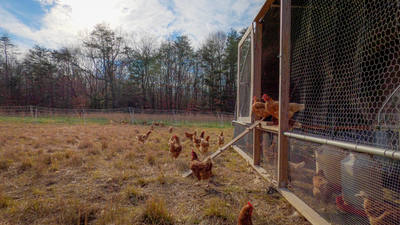
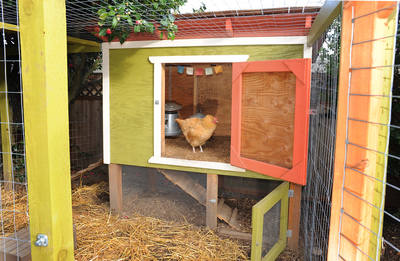
Where to Put a Chicken Coop in Your Yard
We earn from qualifying Amazon purchases. We haven't tested these products ourselves. We chose them from specs and what chickens need. How we make money.
Picture a wet morning in February. It’s still dark at half past six. The coop sits at the far end of the yard and the path to it is ankle deep in mud. You carry a bucket of water out there anyway. Then you do it all again the next day.
Our top picks
Paid links. We earn from qualifying Amazon purchases. We chose these from specs and owner feedback, not our own testing. Photos show the type of gear, not the exact product.
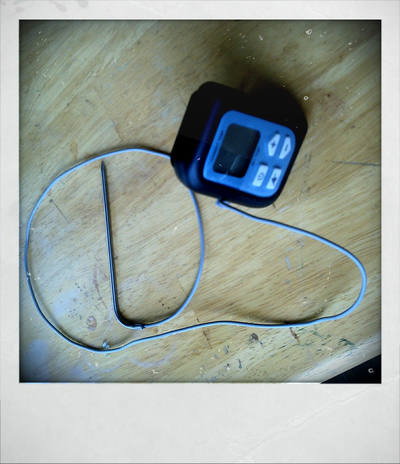 Best for a coop you can't see from the houseGovee WiFi Thermometer Hygrometer H5179It sends the coop temperature and humidity to your phone.Check price on Amazon →Details ↓Photo: Wheeler Cowperthwaite, CC BY 2.0
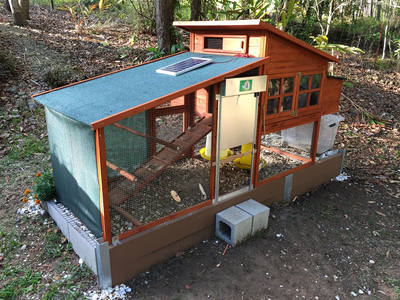 Best for a coop at the far end of the yardRUN-CHICKEN T50 Automatic Coop DoorIt opens the pop door at sunrise and shuts it at sunset.Check price on Amazon →Details ↓Photo: sridgway, CC BY 2.0
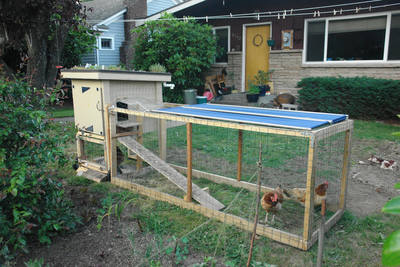 Best if you're still unsure about the spotAivituvin Movable Chicken Coop with Wheel and RunA wooden coop with a run attached and a wheel at one end.Check price on Amazon →Details ↓Photo: Josh Larios, CC BY-SA 2.0
That walk is why placement matters so much. A coop is heavy and awkward to move once it’s built. So spend an hour walking your yard before the kit arrives. Here is what to look for.
In this guide
Check the rules first
Call your city or county office before you pick a spot. Many towns set a minimum distance between a coop and the property line. Some cap the number of hens. Some ban roosters outright. HOAs often add rules of their own.
The University of Kentucky’s guide to small flock housing puts this near the top of its list. It’s far easier to choose a legal spot now than to move a coop after a complaint.
Pick high ground that drains
This is the big one. Poultry specialists advise building the coop on high and well drained ground. Wet ground means wet litter. Wet litter means ammonia. Chickens cope with cold far better than they cope with cold and wet together.
The best test is free. Go out after a heavy rain and look for puddles. Look for soft ground that holds a footprint. Skip the bottom of any slope and anywhere a downspout empties.
A flat yard can still work with a little help:
- Set the coop on gravel or a few concrete pavers so the floor sits above the mud.
- Check it with a spirit level. A level coop keeps doors closing square.
- Keep the waterer out in the run. Spills then soak into the ground and not into the bedding.
Morning sun and afternoon shade
Chickens handle cold much better than heat. A coop baking in full afternoon sun gets dangerously hot in July. A coop in deep shade all year stays damp and starts to smell.
Most yards have a sweet spot with morning sun and afternoon shade. In much of North America that’s the east side of a house, a shed or a line of trees. A leafy tree is ideal. It shades the run all summer and lets the winter sun through once the leaves drop.
No shade at all? Hang a shade sail over part of the run.
Put your back to the wind
Find out which way your winter wind blows. Then face a solid wall of the coop into it. The Kentucky guide suggests a windbreak on the side that faces the prevailing wind. A hedge works. So does a fence or the side of a garage.
Keep the pop door and the vents on the sheltered side. Air should move through the top of the coop. It shouldn’t blow straight across your hens as they sleep on the roost.
Close enough to the house
Remember that February walk. You’ll visit the coop at least twice a day for feed, water and eggs. A coop you can see from a window is a real bonus. You’ll notice a loose dog or an escaped hen before it turns into trouble.
Think about these three things as well:
- Water. Hauling full buckets gets old fast. A hose that reaches the coop saves a lot of effort.
- Power. A heated waterer needs a safe outdoor outlet. Running an extension cord across the lawn all winter is asking for trouble.
- Storage. Feed and bedding need a dry home nearby that rats can’t get into.
The CDC advises cleaning chicken gear outdoors and never in the house. So plan a spot near the coop where you can scrub a feeder and rinse it with the hose.
Is the coop out of sight from the house? A small sensor helps. You can check on it from the kitchen.
Photo: Wheeler Cowperthwaite, CC BY 2.0Govee WiFi Thermometer Hygrometer H5179
It sends the coop temperature and humidity to your phone. You can set an alert for a hot afternoon or a hard frost.
What to like
- Check the coop from indoors
- Alerts for heat and cold
- Humidity reading warns you about damp
Watch out for
- Your WiFi has to reach the coop
- Mount it inside out of the rain
Paid link. We may earn a commission.
Think about the neighbours
A few hens are fairly quiet. But a hen will happily announce every egg she lays. A dirty coop can smell on a hot day too.
So keep the coop well away from a neighbour’s patio or bedroom window. Do this even if the rules allow you closer. The Kentucky guide notes that plants around a coop can hide it and soften flock noise. Clear weeds and junk from around the coop as well. Rats love a messy corner.
A half dozen eggs over the fence now and then never hurts.
Make life hard for predators
Raccoons, foxes and hawks will find your flock wherever it lives. Good placement still makes their job harder.
- Keep the coop away from overhanging branches. Raccoons climb and drop in.
- Don’t build right against a fence that a predator can use as a ladder.
- Give the run some cover. A bush gives hens somewhere to hide when a hawk flies over.
A far corner of the yard has one more problem. You won’t always be out there at dusk to shut the door. An automatic door does it for you.
RUN-CHICKEN T50 Automatic Coop Door
It opens the pop door at sunrise and shuts it at sunset. Your hens are locked in even on the nights you get home late.
What to like
- Closes on time every night
- Battery powered so no cable across the yard
- Light sensor or timer
Watch out for
- Watch it close for the first week
- A hen still outside gets locked out
Paid link. We may earn a commission.
Leave room to grow
Most people want more hens within a year or two. Leave space around the coop for a bigger run. Extension guidelines suggest about 10 square feet of outdoor run per laying hen. Four hens need about 40 square feet. Six need about 60. Our run size and fencing guide covers the rest.
Not sure about your spot yet? Start with a coop you can move. You can try a corner for a season and roll it somewhere drier if the ground lets you down.
Photo: Josh Larios, CC BY-SA 2.0Aivituvin Movable Chicken Coop with Wheel and Run
A wooden coop with a run attached and a wheel at one end. You can roll it to a drier corner or onto fresh grass. It comes with a nest box.
What to like
- Easy to move if a spot turns out wet
- Run comes attached
- Fresh grass for the hens each move
Watch out for
- Sized for 2 to 4 hens
- Add hardware cloth before you trust the run
Paid link. We may earn a commission.
A quick checklist
Walk the yard with this list before you build:
- Allowed by your town and your HOA
- High ground with no puddles after rain
- Morning sun and afternoon shade
- A solid wall facing the winter wind
- Easy to reach with a hose and power if you need it
- Away from the neighbours’ windows
- No branches or fences for predators to use
- Room for a bigger run later
A spot that ticks most of these boxes will save you a lot of mud and worry.