How to Keep Chickens Warm Without a Heat Lamp
We earn from qualifying purchases. How we pick.
Our top picks
- Best for checking coop humidity from the houseGovee WiFi Thermometer Hygrometer H5179Check price on Amazon →
- Best for starting a deep litter floorDominion Hemp Premium Hemp Bedding 285LCheck price on Amazon →
- Best for wide wooden roostsCuffUp Chicken Perch 2-PackCheck price on Amazon →
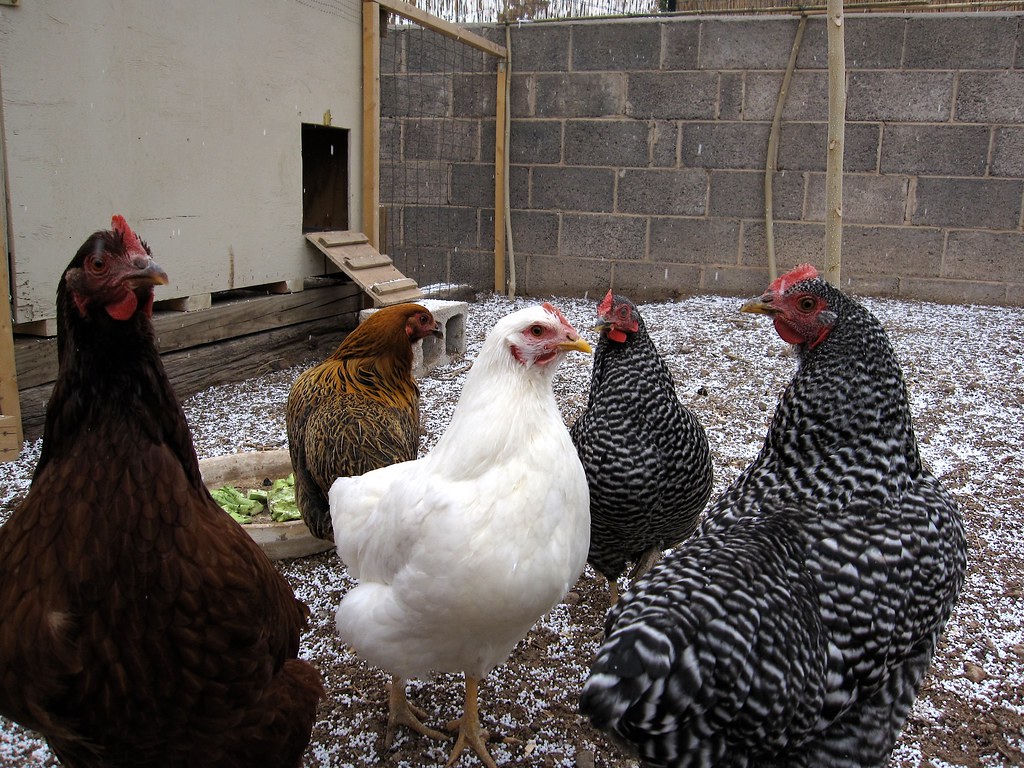
Most backyard hens don’t need a heat lamp at all. They need a dry coop with no drafts. That’s the view of Donna Coffin at University of Maine Cooperative Extension. Acclimated birds in a draft-free shelter with dry bedding will be fine through winter.
All our picks
- Best for checking coop humidity from the houseGovee WiFi Thermometer Hygrometer H5179It reads temperature and humidity and sends them to your phone over wifi.Check price on Amazon →Details ↓
- Best for starting a deep litter floorDominion Hemp Premium Hemp Bedding 285LHemp is very absorbent and low in dust.Check price on Amazon →Details ↓
- Best for wide wooden roostsCuffUp Chicken Perch 2-PackTwo wooden bars in different sizes give hens a flat place to sit.Check price on Amazon →Details ↓
- Best for open water all winterAPI 3 Gallon Heated Poultry WatererA built-in heater keeps water from freezing.Check price on Amazon →Details ↓
- Best for blocking wind and snow in the runVitalCozy Chicken Run Cover Tarp 2 PackTwo waterproof tarps of 11.5 by 6.6 feet can cover a roof or wrap a windy side.Check price on Amazon →Details ↓
Show 1 more
- Best for replacing a heat lampCozy Coop Flat-Panel Heater 150 WattsThis low-wattage panel gives off gentle radiant warmth with no glowing bulb.Check price on Amazon →Details ↓
In this guide
Why the heat lamp has to go
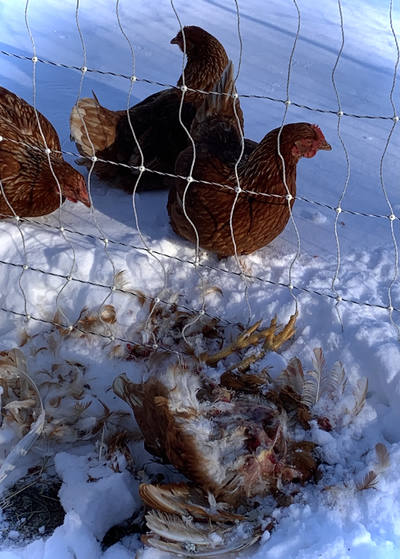
The Office of the Maine Fire Marshal names four top causes of coop fires. They are heat lamps, extension cords, bedding and water heaters. Greg Day from that office calls heat lamps the most dangerous of the four. Hens knock them down. Cheap clamps slip. A hot bulb can set straw bedding alight within minutes.
One Maine farmer filmed a heat lamp sitting on a small pile of straw. The straw was smoldering within a minute.
Lamps cause quieter problems too. The eXtension poultry team notes they can upset your flock’s lighting schedule and may cut egg production. Birds kept toasty also never fully adjust to the cold. Then a power cut on a frigid night hits them much harder.
Dry beats warm
A chicken already wears a down jacket. Fluffed feathers trap air and hold body heat. The thing that beats that jacket is moisture.
Frostbite usually becomes a problem at single digits and below. That’s according to eXtension. It’s worst at night in damp coops with poor airflow. Hens breathe out water all night long. Droppings and spilled water add more. If that damp air can’t escape it settles on combs and toes and freezes.
So keep the vents open. Andrew Bolton is an extension poultry instructor in Arkansas. He says coops need air exchange even in frigid weather to clear out moisture and ammonia. Put vents high above the roosts. That way air moves without blowing across sleeping birds. Here’s a quick test. Condensation on windows or walls in the morning means you need more ventilation. Our chicken coop ventilation guide covers vent sizing.
A wifi thermometer and humidity monitor takes the guesswork out of it. You can watch overnight humidity from your kitchen.
Govee WiFi Thermometer Hygrometer H5179
It reads temperature and humidity and sends them to your phone over wifi. Rising overnight humidity is your cue to open a vent before frostbite shows up.
What to like
- Tracks humidity as well as temperature
- Remote readings and alerts
- Small and battery powered
Watch out for
- Needs a wifi signal that reaches the coop
- Batteries drain faster in hard cold
Build warmth into the floor and roosts
Deep litter is the cheapest insulation you’ll ever add. Bolton recommends wood shavings 4 to 8 inches deep. eXtension suggests adding fresh bedding on top as winter goes on. Leave the full clean-out until spring. Those layers insulate the floor and keep feet off frozen ground. Here’s how the deep litter method works. Thick hemp coop bedding is a good base because it soaks up a lot of moisture.
Dominion Hemp Premium Hemp Bedding 285L
Hemp is very absorbent and low in dust. A big bale gives you enough depth to build an insulating winter layer.
What to like
- Highly absorbent
- Low dust
- Composts well in spring
Watch out for
- Costs more than pine shavings
- Bulky bale to store
Roosts matter just as much. Bolton says roosts should be wood. Metal and plastic hold the cold and can cause frostbite. A wide flat perch lets a hen settle down over her feet. Her belly feathers then cover her toes all night. A 2x4 laid wide side up does this well. So do wide wooden roosting bars. Our roosting bar guide has height and spacing numbers.
CuffUp Chicken Perch 2-Pack
Two wooden bars in different sizes give hens a flat place to sit. Wood stays warmer underfoot than metal or plastic.
What to like
- Wood instead of cold metal
- Two sizes in one pack
- Easy to mount
Watch out for
- May be too short for a large flock
- Needs sanding if edges are rough
Comb type matters too. Roosters get frostbite most often because of their big combs. Large-combed hens like Leghorns are next. Birds with small pea or strawberry combs have a much lower rate. If you live somewhere very cold this is worth weighing before you pick breeds.
Feed, water and a windbreak
Digestion makes body heat. Bolton says birds can eat up to 25 percent more feed in cold weather. Keep feeders topped up before dark.
Feed is only half of it. Hens need a steady supply of unfrozen water. A heated poultry waterer keeps it liquid with no bulb involved. Use an outdoor-rated cord. Never run cords over straw or under boards where they can kink and split. One Maine farmer runs his coop wiring through conduit. See our heated waterer guide for more options.
API 3 Gallon Heated Poultry Waterer
A built-in heater keeps water from freezing. Overheating protection makes it a safer plug-in than a lamp.
What to like
- Holds 3 gallons
- Overheating protection
- No separate heater base needed
Watch out for
- Needs power at the coop
- Plastic can crack if dropped in the cold
Wind strips heat fast. A waterproof run tarp on the windward side gives hens a dry corner outside. Bolton also suggests burlap over vent openings. It slows the wind but still lets air through.
VitalCozy Chicken Run Cover Tarp 2 Pack
Two waterproof tarps of 11.5 by 6.6 feet can cover a roof or wrap a windy side. Hens get a dry spot to scratch outdoors.
What to like
- Waterproof
- Two tarps in the pack
- No power needed
Watch out for
- Needs tight tie-downs in strong wind
- Heavy snow must be brushed off
When you really want some heat
Sources don’t fully agree here. Arkansas extension says to consider extra heat when it drops below 35°F. Maine experts say acclimated flocks rarely need any. If you do add heat skip the lamp. Coffin suggests a wall-mounted coop heater built with safety in mind. Bolton says to place a heat source at the height of the lowest roost rung or the nest boxes. Screw it to the wall so nobody can knock it over. Keep bedding well clear of it. Our winterizing checklist covers the rest of the prep.
Cozy Coop Flat-Panel Heater 150 Watts
This low-wattage panel gives off gentle radiant warmth with no glowing bulb. It mounts flat to the wall where hens can't knock it down.
What to like
- Only 150 watts
- No exposed hot bulb
- Wall mounted
Watch out for
- Warms birds close to it rather than the whole coop
- Still needs a safe power supply
One last check before the first hard freeze. On a windy evening hold a strip of tissue at roost height in every corner. If it flutters you’ve found a draft to block.
Sources
- Backyard poultry coops prepped for cold still require good ventilation, University of Arkansas Cooperative Extension
- Frostbite in Chickens, Poultry Extension (eXtension)
- Heat lamps are the biggest fire risk in your chicken coop, Bangor Daily News
How we picked
We compare maker specs with owner reviews and expert sources like university extension poultry guides. We look for the problems owners report again and again. Then we keep the products whose specs fit what a small flock needs. These picks come from that research and not from our own hands on trials. Nobody pays for a place in our guides. Read how we choose products.