How to Winterize a Chicken Coop: A Simple Checklist
We earn from qualifying Amazon purchases. We haven't tested these products ourselves. We chose them from specs and what chickens need. How we make money.
The first hard frost always seems to land on a weeknight. You walk out at six with a headlamp and a cup of coffee. The waterer is a solid block of ice. The hens are standing around it looking at you.
Our top picks
Paid links. We earn from qualifying Amazon purchases. We chose these from specs and owner feedback, not our own testing. Photos show the type of gear, not the exact product.
 Best if you already own a metal fontFarm Innovators Heated Waterer Base (2 pack)Set a double wall metal font on top.Check price on Amazon →Details ↓Photo: Liamkw, CC BY-SA 4.0
- Best all in one winter watererFarm Innovators HB60P 2 Gallon Heated Poultry WatererThe heater is built into the base and a thermostat keeps it from freezing.Check price on Amazon →Details ↓Photo: Liamkw, CC BY-SA 4.0
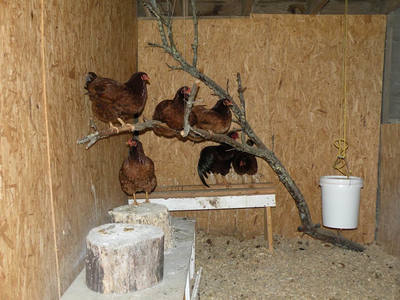 Best for an easy roost upgradePETSFIT 55 inch Square Chicken Roosting PerchA freestanding ladder roost made of fir with flat bars.Check price on Amazon →Details ↓Photo: Living Off Grid, CC BY 2.0
That’s the moment most people start thinking about winter. It’s better to start a few weeks earlier. The good news is that chickens handle cold far better than we do. A healthy hen fluffs up her feathers and tucks her feet under her on the roost. What she can’t handle is a wet coop, wind on the roost and no water.
So winter prep is not about making the coop warm. It’s about keeping it dry, still at roost height and safe. Here is the checklist we’d work through in October.
In this guide
1. Leave the vents open
This feels wrong. Do it anyway. Hens breathe out a lot of moisture overnight. If it can’t get out, it settles on combs and bedding. Damp combs get frostbite. University of Illinois Extension says a coop must be free of drafts and still well ventilated. That keeps ammonia and moisture down.
Keep the high vents near the roof open all winter. Close the low ones if you have them. Our coop ventilation guide shows how much vent space to aim for.
2. Stop drafts at roost height
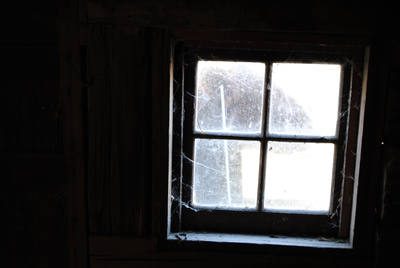
Walk around the coop on a windy day. Feel for air coming through gaps low on the walls and around the roost. Illinois Extension suggests caulking or patching those cracks. Cover a loose window with a board. Move the roost if wind hits it.
The rule is simple. Air can move above the hens. It should not blow across them.
3. Pile on the bedding
Deep bedding keeps feet warm and soaks up moisture. Illinois Extension recommends a layer of 6 to 12 inches of dry bedding on the floor in winter. Pine shavings and hemp both work well. Turn it with a rake now and then. Add a fresh layer on top when it looks crusty. Pull out wet patches right away. The spot under the waterer gets wet first.
Our bedding guide compares the options.
4. Keep the water from freezing
This is the big one. Illinois Extension says chickens need water at least every 10 hours. That includes overnight. A hen with no water stops eating. A hen that stops eating stops laying and gets cold.
You have two easy options. You can set a metal font on a heated base. Or you can use a waterer with the heater built in. Either one beats carrying out fresh water three times a day.
Photo: Liamkw, CC BY-SA 4.0Farm Innovators Heated Waterer Base (2 pack)
Set a double wall metal font on top. The maker says the base switches on at 35°F and below. That keeps the water liquid. The 2 pack lets you keep a spare or run two waterers.
What to like
- Works with the metal font you have
- Only heats when it's cold
- Spare in the box
Watch out for
- Needs a weatherproof outdoor outlet
- Not for plastic founts
Paid link. We may earn a commission.
Photo: Liamkw, CC BY-SA 4.0Farm Innovators HB60P 2 Gallon Heated Poultry Waterer
The heater is built into the base and a thermostat keeps it from freezing. Hens drink from side nipples so the water stays clean. It draws 60 watts.
What to like
- Clean water from nipples
- Low 60 watt draw
- Nothing extra to buy
Watch out for
- Hens need a few days to learn nipples
- Needs an outdoor outlet
Paid link. We may earn a commission.
Run any cord through a pipe or along a wall where hens can’t peck it. Keep it well away from the bedding.
5. Give them a good roost
Hens sleep with their feet flat and their feathers over their toes. A wide flat bar makes that easy. Many keepers turn a 2 by 4 so the wide side faces up. Put the roost higher than the nest boxes so nobody sleeps in a nest.
Utah State University Extension suggests 6 to 10 inches of roost bar for each hen. In winter they will happily squeeze closer to share warmth.
Photo: Living Off Grid, CC BY 2.0PETSFIT 55 inch Square Chicken Roosting Perch
A freestanding ladder roost made of fir with flat bars. Hens can sit flat and cover their toes on cold nights. No screwing into the coop walls.
What to like
- Flat bars for warm feet
- Stands on its own
- Easy to move for cleaning
Watch out for
- Needs floor space in a small coop
- Wood can stain so scrape it often
Paid link. We may earn a commission.
6. Watch the combs
Big single combs freeze first. Leghorns and roosters with tall combs are the usual victims. Illinois Extension says a dab of petroleum jelly on large combs and wattles helps small flocks. Dry air in the coop helps more. If you see pale or black tips after a cold night, the coop is too damp.
7. Decide about light
Hens lay less as days get short. That’s normal and gives their bodies a rest. If you want eggs through winter, they need 14 to 16 hours of light. Illinois Extension suggests one 60 watt bulb or an 800 lumen LED with a reflector. Hang it 7 feet up and it lights about 200 square feet of floor. Put it on a timer that adds the light in the early morning. That way dusk still comes on its own and hens find the roost.
8. Think hard before adding heat
Most healthy cold hardy hens don’t need a heater. Heat lamps start coop fires every winter. Dust and dry bedding catch fast. If you live somewhere brutally cold or keep a light breed, use a heater made for coops. Mount it firmly and keep it clear of bedding. Never hang anything by its cord.
A cheap coop thermometer tells you what the nights are really like. It’s often warmer in there than you’d guess.
9. Fix up the run
Hens hate walking on snow. Shovel a patch and toss down some straw. Wrap the windward side of the run with clear plastic to block wind and let in sun. Leave the top and the other sides open for air. Check that snow can’t pile up and give a fox a ramp over the fence.
10. Feed a little more
Chickens eat more when it’s cold. Keep the feeder topped up and check it more often. A handful of scratch grain in the late afternoon gives them something to digest overnight. Keep it to a treat so they still eat their layer feed.
A quick October checklist
- High vents open and covered with hardware cloth
- Gaps at roost height sealed
- 6 inches or more of dry bedding
- Heated waterer or heated base plugged in and checked
- Wide roost higher than the nest boxes
- Light on a timer if you want winter eggs
- Run wind break up and a snow shovel by the door
Do these once and winter becomes a lot calmer. Your mornings will be easier too.